数字花园
Embracing Winter Cycling: My Journey from Doubt to Discovery
How pogies turned winter cycling from Type 2 fun (endured) into Type 1 fun (enjoyed), and why gear and infrastructure together make year-round cycling possible.

"If they can do it, why couldn't I?"
For a long time I shelved my bike as soon as the first snowflake hit the ground. The mere thought of pedalling through the cold with harsh wind biting at my fingers was enough. Then a video and a piece of gear changed that.
The Spark of Inspiration
It all began when I stumbled upon a video by Not Just Bikes about winter cycling in Oulu, Finland. The sight of cyclists riding through the Finnish winter with ease and confidence raised a question:
"If they can do it, why couldn't I?"
My Initial Attempts and Challenges
My winter cycling adventures began in The Netherlands, where I studied for four years. The winter of 2021 came with unusual amounts of snow and frozen canals. When I looked outside my windows, I saw children playing outdoors: cycling through the snow and ice-skating on the canals. Yet again, the same question came to mind.
This was the first time I would ride a bicycle in the snow. In my initial attempts to adapt to winter cycling, I came up with what I thought was a clever lifehack: carrying a 2L thermo can of tea and taking tea breaks every 15 minutes.
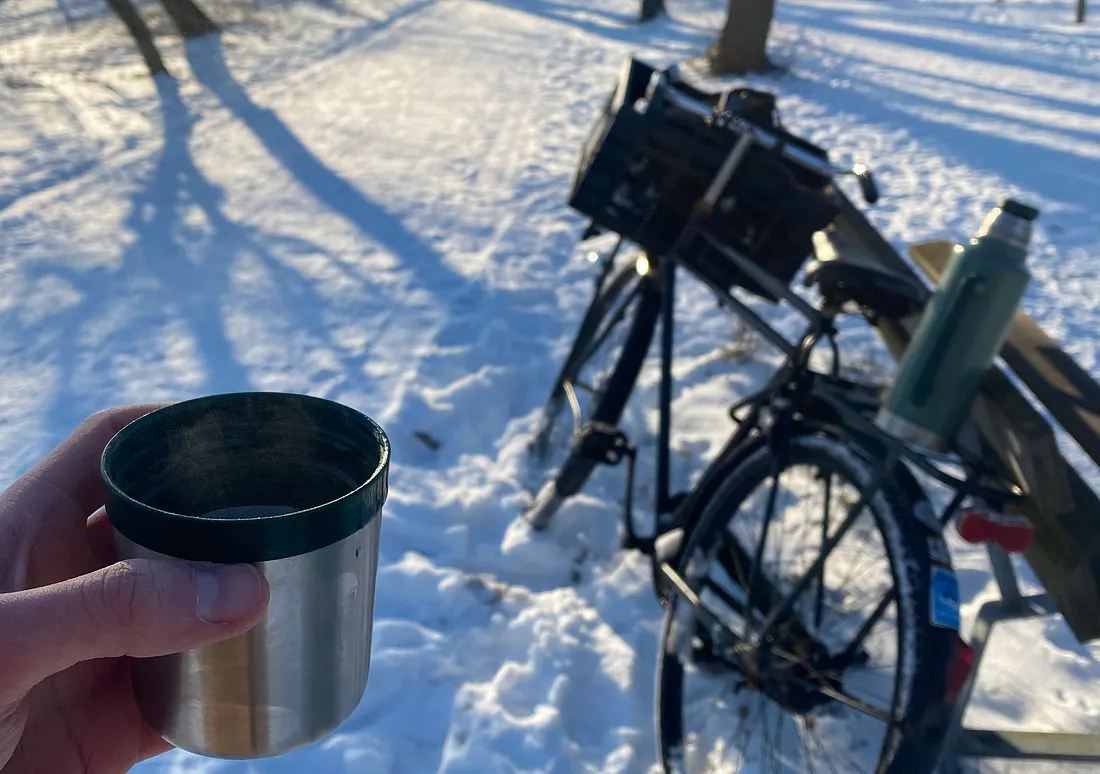
Although this helped me stay warm (and I would still recommend this for long winter rides), my hands remained a persistent problem. Despite trying multiple gloves, nothing seemed to provide the warmth and comfort I needed for longer rides.
The Discovery: Pogies
The turning point came when I discovered the YouTube channel AmericanFietser, focused on winter cycling. One particular video featured a setup that caught my attention: handlebar-mounted "pogies."
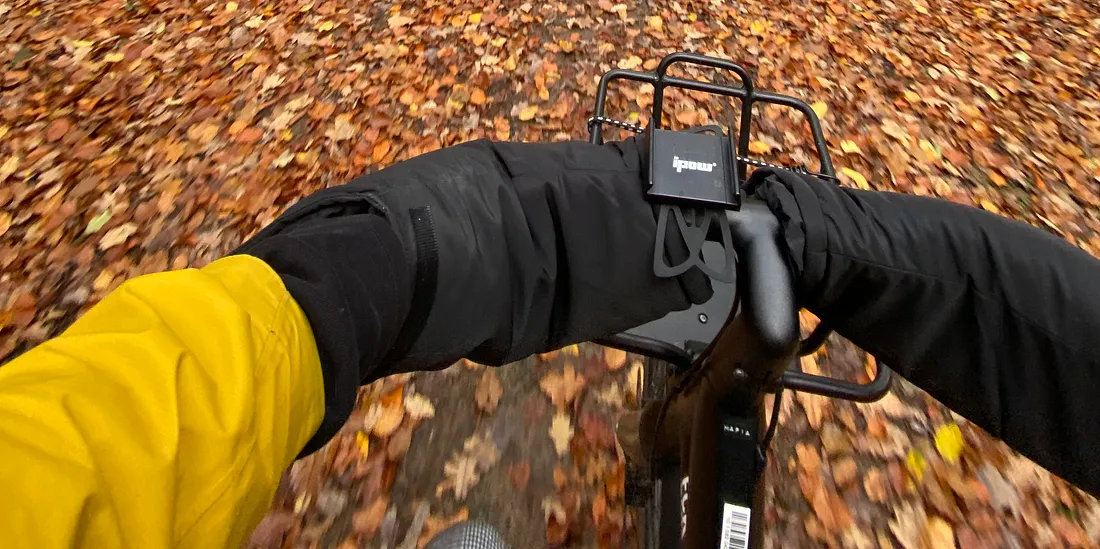
Pogies are essentially handlebar mittens - fabric covers that attach to your handlebars, creating a warm microenvironment for your hands while maintaining full control of brakes and shifters.
Curious and a bit desperate for a solution, I decided to give them a try on my bike.
The Transformation
The pogies looked clunky at first glance. Once installed, they kept my hands warm and made my rides more comfortable.
A small addition, and I now choose my bicycle over my 1500 kg car even in the coldest months.
- Warm hands: No more painful cold fingers or stopping every 15 minutes
- Better control: Unlike bulky gloves, I could feel the brakes and shifters perfectly
- Confidence: Knowing my hands would stay warm made me willing to ride in conditions I'd previously avoided
- Extended range: Longer trips became possible without discomfort
Some Impressions from Winter Rides
Gear Helps, Infrastructure Decides
Pogies solved my hands, but the Netherlands makes winter cycling work for everyone, not just for people with the right gear:
- Dedicated cycling paths that are cleared of snow
- Continuous routes that don't force cyclists into car traffic
- Secure bike parking that's sheltered from weather
My setup today is simple: pogies, good lights, fenders and brakes that work in wet conditions.
Conclusion: From Survival to Joy
Winter cycling went from something I endured (Type 2 fun) to something I enjoy (Type 1 fun). Pogies helped, and so did the confidence of knowing my hands would stay warm.
When winter cycling becomes comfortable and reliable, it stops being about toughness and starts being about choice. If Finnish kids can bike to school in -20°C weather, I can too.
More on why everyday cycling so often feels like an adventure: Why Everyday Cycling Feels Like Type 2 or 3 Fun.