
"If they can do it, why couldn't I?"
For the longest time, winter cycling seemed like an insurmountable challenge to me. The mere thought of pedaling through the cold, with harsh wind biting at my fingers, was enough to make me shelve my bike as soon as the first snowflake hit the ground. That was until a pivotal moment changed my perspective and, consequently, my winter cycling experience.
This connects directly to what I wrote about in why cycling feels like Type 2 or 3 fun in most places - winter amplifies these challenges. But as I learned from my shift from car culture to freedom of choice, small changes in infrastructure (or equipment) can transform entire experiences.
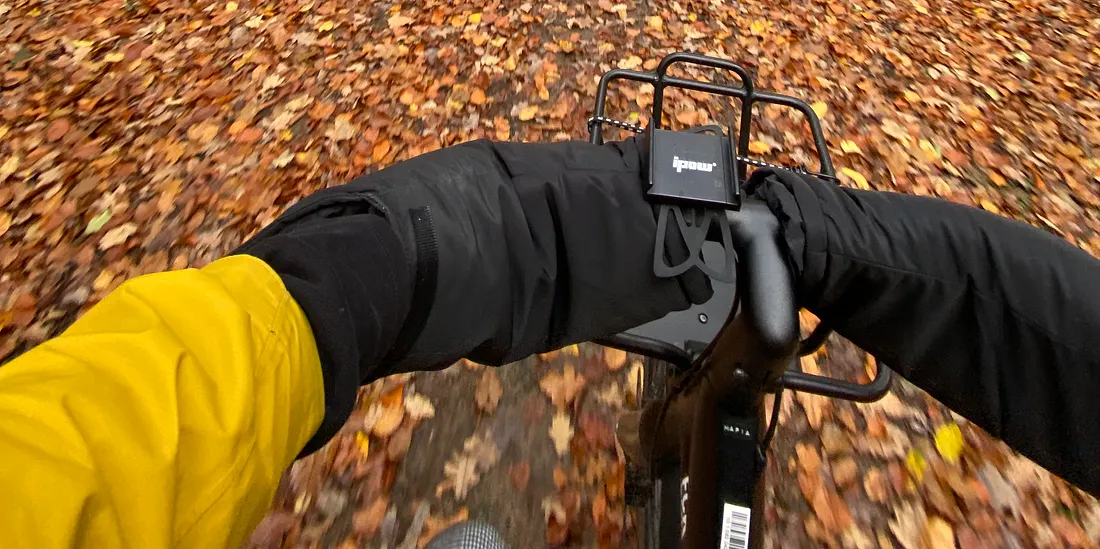
The Spark of Inspiration
It all began when I stumbled upon a video by Not Just Bikes about winter cycling in Oulu, Finland. The sight of cyclists braving the Finnish winter with ease and confidence sparked a question in my mind:
"If they can do it, why couldn't I?"
This question became the driving force behind my quest to conquer winter cycling. It's the same curiosity that drove me to question other mobility defaults - like why we accept one person per 1500kg vehicle as normal, or why cycling infrastructure makes the difference between adventure and transport.
My Initial Attempts and Challenges
My winter cycling adventures began in The Netherlands, where I studied for four years. The winter of 2021 came with unusual amounts of snow and frozen canals. When I looked outside my windows, I saw children playing outdoors: cycling through the snow and ice-skating on the canals. Yet again, the same question came to mind:
"If they can do it, why couldn't I?"
This was the first time I would ride a bicycle in the snow. In my initial attempts to adapt to winter cycling, I came up with what I thought was a clever lifehack: carrying a 2L thermo can of tea and taking tea breaks every 15 minutes.
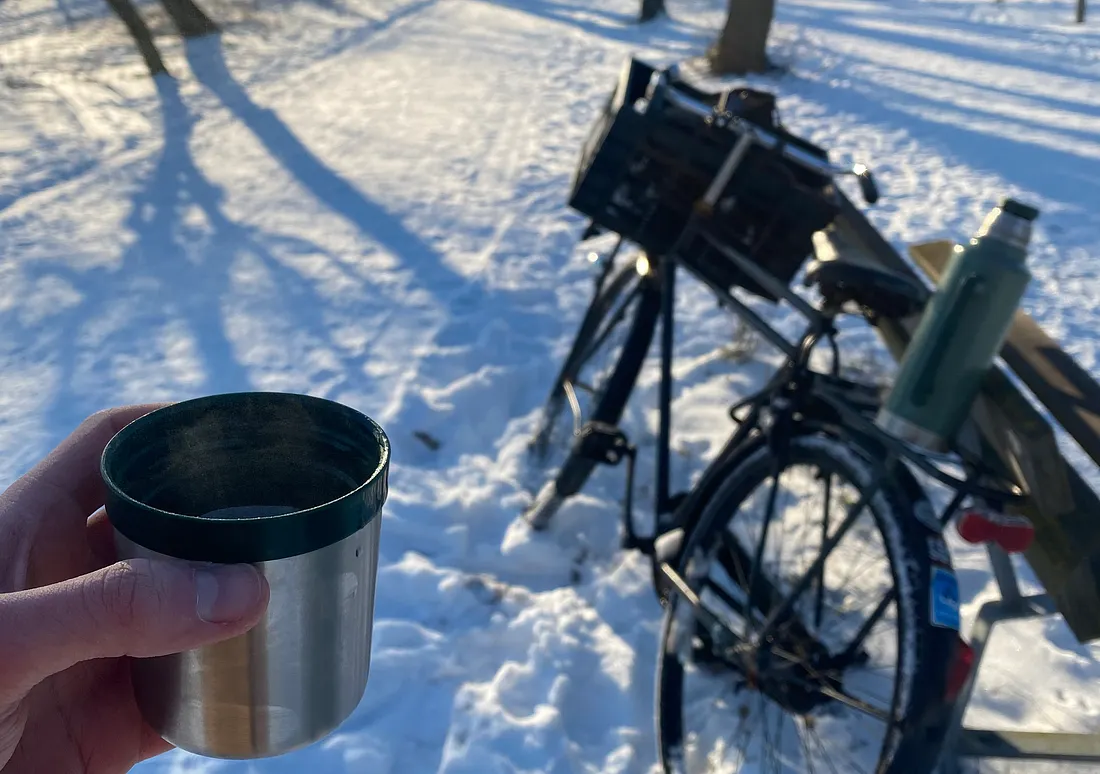
Although this helped me stay warm (and I would still recommend this for long winter rides), my hands remained a persistent problem. Despite trying multiple gloves, nothing seemed to provide the warmth and comfort I needed for longer rides.
This reflects what I wrote about gear as "in-app purchases" - when infrastructure fails us, we're forced into expensive workarounds. But sometimes the right small change makes all the difference.
The Game-Changing Discovery: Pogies
The turning point came when I discovered the YouTube channel AmericanFietser, focused on winter cycling. One particular video featured a setup that caught my attention: handlebar-mounted "pogies."
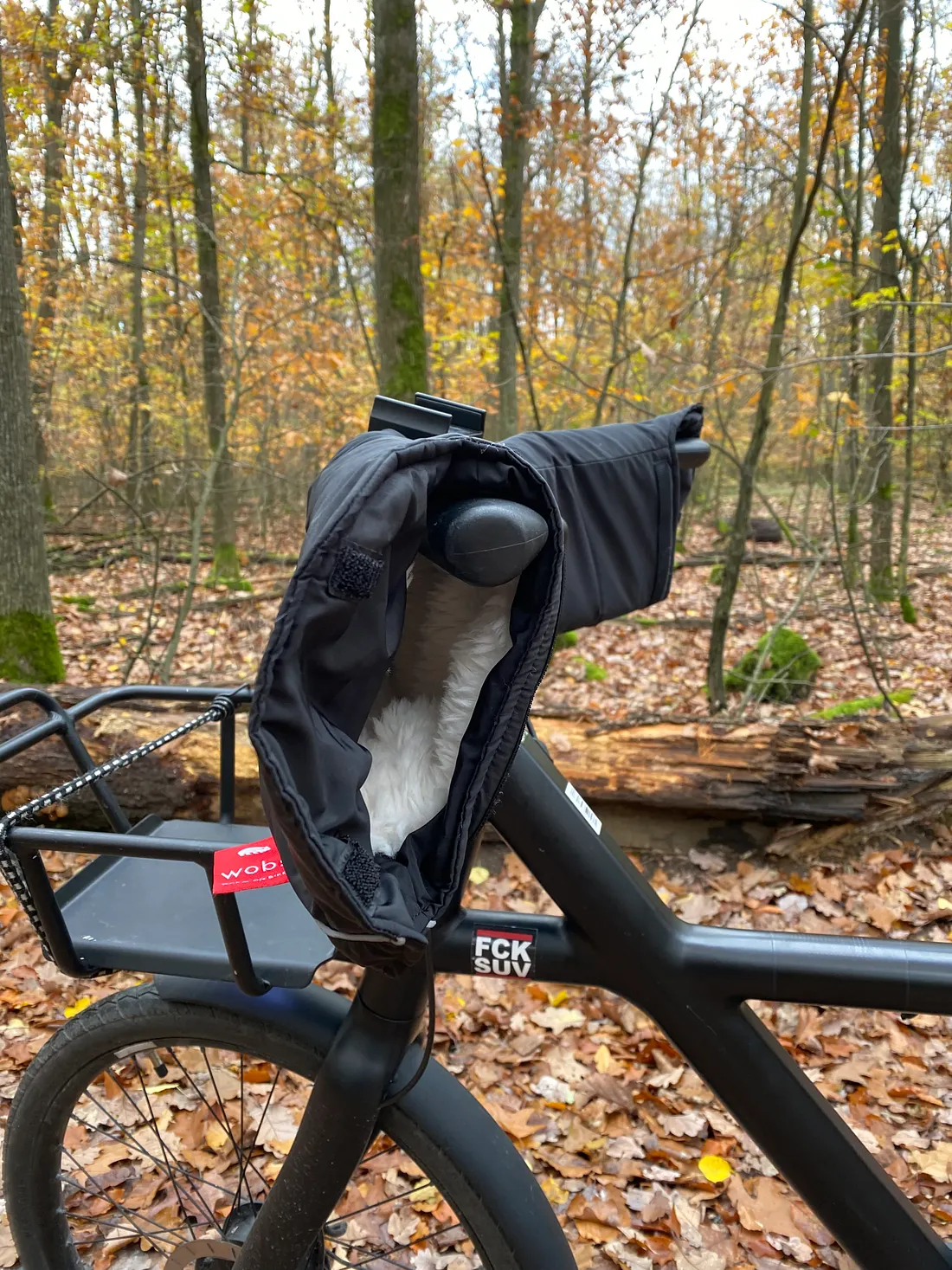
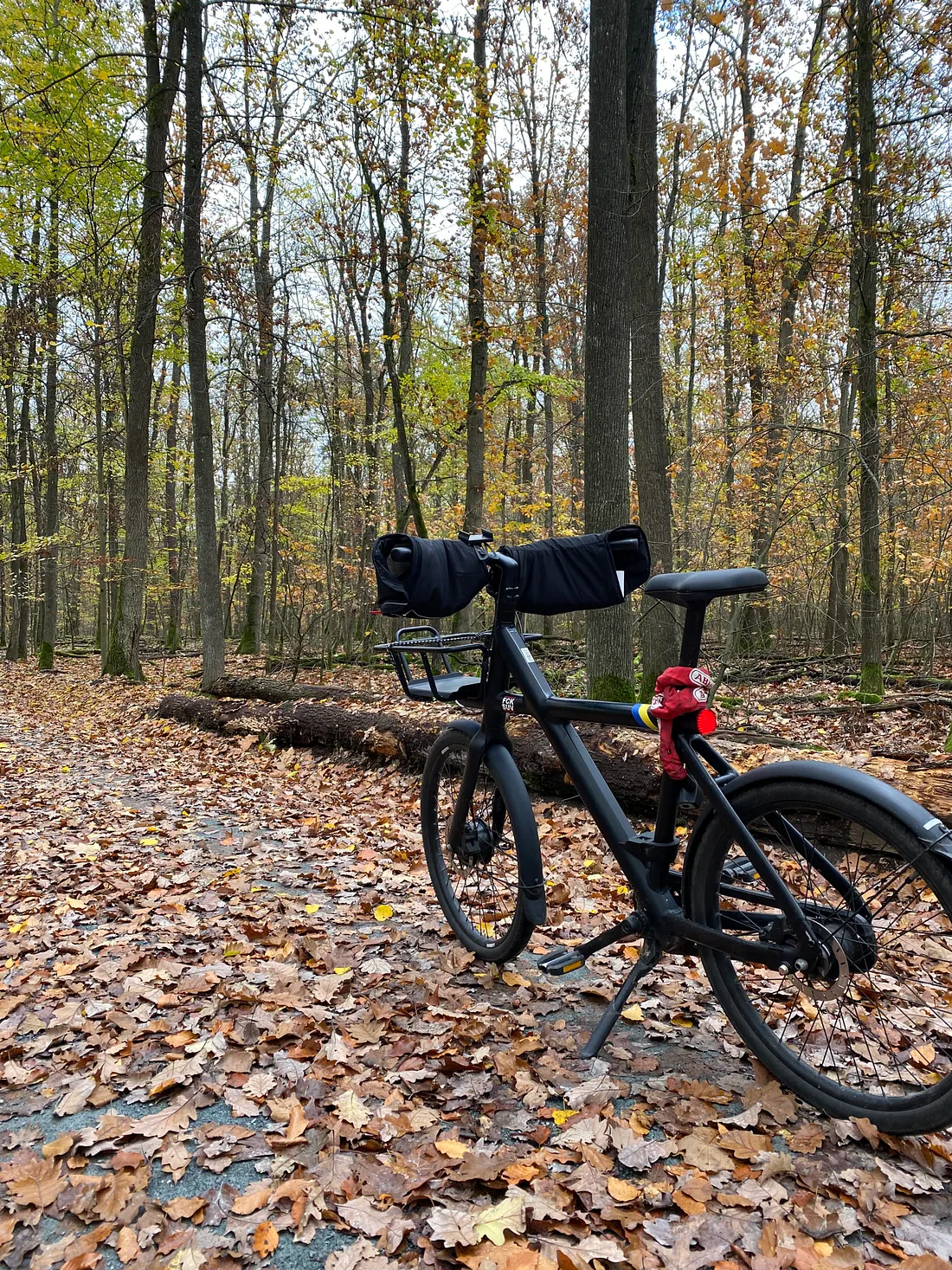
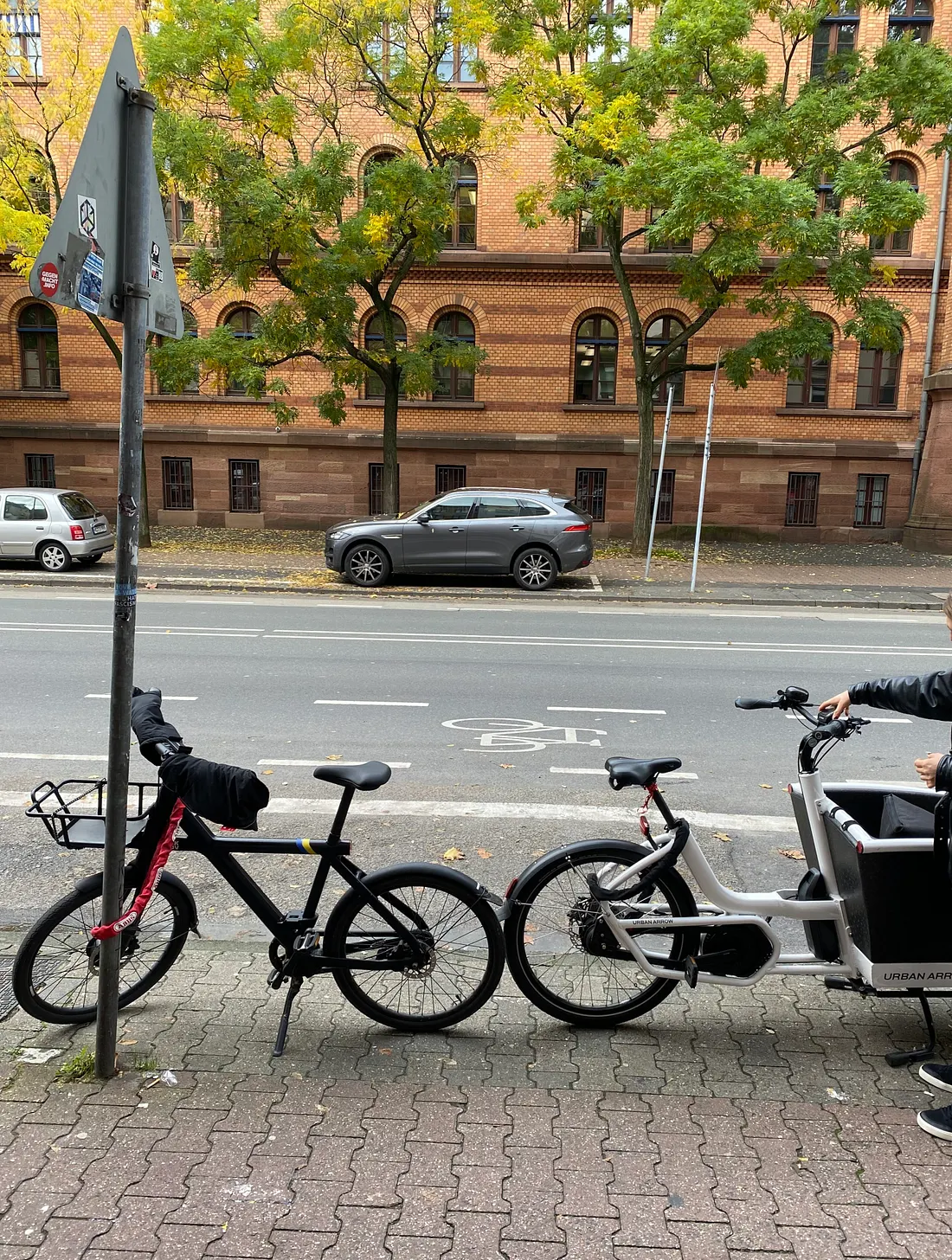
Pogies are essentially handlebar mittens - fabric covers that attach to your handlebars, creating a warm microenvironment for your hands while maintaining full control of brakes and shifters.
Curious and a bit desperate for a solution, I decided to give them a try on my VanMoof X3.
The Transformation
Admittedly, the pogies appeared clunky at first glance. But once installed and put to the test, they proved to be a game-changer. Not only did they keep my hands warm, but they also added a new level of comfort to my rides.
This seemingly small addition transformed my winter cycling experience, making me choose my bicycle over my 1500kg car, even in the coldest months.
The transformation was immediate and profound:
- Warm hands: No more painful cold fingers or stopping every 15 minutes
- Better control: Unlike bulky gloves, I could feel the brakes and shifters perfectly
- Confidence: Knowing my hands would stay warm made me willing to ride in conditions I'd previously avoided
- Extended range: Longer trips became possible without discomfort
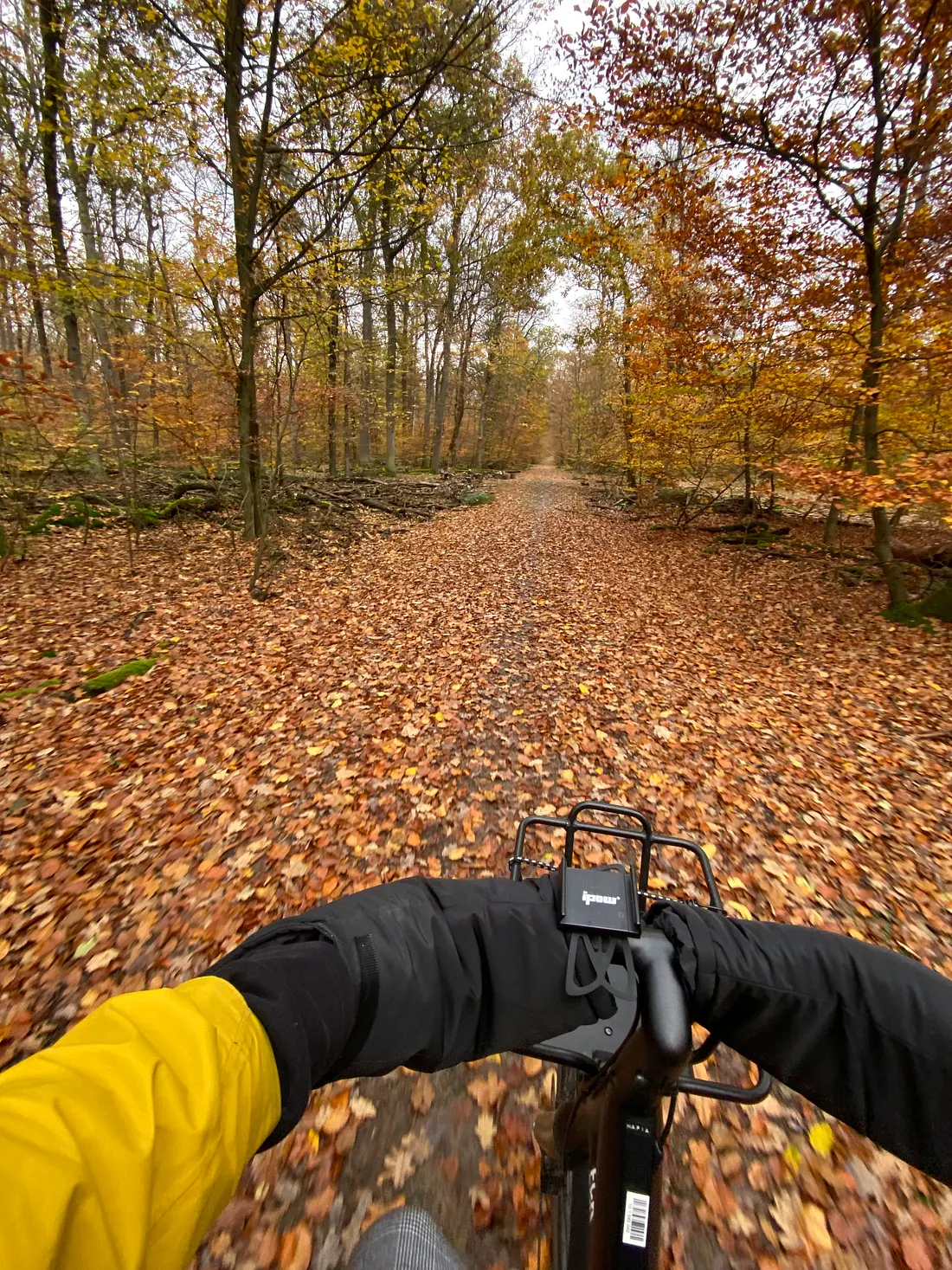
Some Impressions from Winter Rides
Winter Cycling as System Design
What I learned from pogies connects to larger themes about mobility infrastructure and making cycling Type 1 fun. The Netherlands succeeds at winter cycling not just because of equipment, but because of:
Infrastructure that works year-round:
- Dedicated cycling paths that are cleared of snow
- Continuous routes that don't force cyclists into car traffic
- Secure bike parking that's sheltered from weather
- Cultural acceptance of cycling in all conditions
Personal equipment that solves real problems:
- Pogies for hand warmth
- Fenders to keep dry
- Lights for visibility
- Simple, reliable bikes that work in weather
The Psychology of Winter Cycling
There's something deeper happening here than just staying warm. Winter cycling challenges our mental models about what's possible and comfortable. Just as I wrote about apartments making us apart, seasonal isolation can make us retreat from active transportation.
But when winter cycling works, it creates:
- Resilience: Independence from weather and traffic
- Connection: Experiencing the city in all seasons
- Confidence: Proving to yourself that "impossible" is often just "inconvenient"
- Freedom: Year-round mobility choices
Beyond Individual Solutions
While pogies solved my personal hand-warming problem, the bigger insight is systemic. Cities that enable winter cycling year-round create different relationships between residents and their environment.
Compare:
- Car-dependent winter: Isolated in heated boxes, disconnected from seasons
- Winter cycling: Engaged with weather, adapted to conditions, more resilient
This connects to what I observed about cruise ship cities - environments designed around human needs create different behaviors and relationships.
The Ripple Effects
Once winter cycling became comfortable, other changes followed:
- Seasonal awareness: More attention to weather patterns and preparation
- Equipment minimalism: Realizing how little you actually need
- Urban appreciation: Discovering how beautiful cities look in snow
- Health benefits: Consistent exercise regardless of season
It's similar to how good cycling infrastructure enables people who never thought they'd bike - the right intervention removes barriers and reveals possibilities.
Practical Winter Cycling Setup
Based on my experience, here's what actually works:
Essential equipment:
- Pogies or bar mitts for hand warmth
- Good lights for visibility
- Fenders to stay dry
- Reliable brakes that work in wet conditions
Infrastructure requirements:
- Cleared, maintained cycling paths
- Safe, sheltered bike parking
- Routes separated from car traffic (especially important on slippery surfaces)
Mindset shifts:
- There's no bad weather, only inappropriate clothing/equipment
- Consistency matters more than speed
- Small interventions can have huge impacts
Winter Cycling and Urban Equity
There's an equity dimension here too. In cities where winter cycling is only possible with expensive gear and fearless determination, it remains a privilege. But in places like Oulu or Utrecht, winter cycling is accessible to children, elderly people, and everyone in between.
This connects to my broader thinking about isolation and innovation - when we design for the most vulnerable users (kids cycling to school in winter), we create systems that work for everyone.
Lessons for Other Mobility Challenges
The pogies discovery taught me something applicable beyond winter cycling:
- Small changes can unlock big possibilities
- Solutions often exist but aren't widely known
- Personal adaptation + infrastructure improvement = transformation
- Question defaults: "If they can do it, why can't we?"
This mirrors insights from my work with AI - sometimes the right tool makes the previously impossible feel effortless.
Conclusion: From Survival to Joy
Winter cycling transformed from something I endured (Type 2 fun) to something I genuinely enjoy (Type 1 fun). The key wasn't just pogies - it was the mindset shift they enabled.
When winter cycling becomes comfortable and reliable, it stops being about toughness and starts being about choice. You're not proving anything to anyone; you're simply choosing the most efficient, healthy, and enjoyable way to get around - regardless of season.
In a society that accepts inefficiencies like one person per 1500kg vehicle as normal, maybe it's time to question other seasonal defaults. If Finnish kids can bike to school in -20°C weather, what other "impossible" things become possible with the right approach?
The question isn't whether winter cycling is comfortable - it's whether we've designed our cities and equipped ourselves to make it so.
Links and Further Reading:
- Why Everyday Cycling Feels Like Type 2 or 3 Fun
- From Car Culture to Freedom of Choice
- From Isolation to Innovation
- Cities Like Cruise Ships
- Working with AI
Videos mentioned:
- Winter Cycling in Oulu, Finland by Not Just Bikes
- AmericanFietser YouTube Channel
This article explores how small equipment changes can transform seasonal mobility, connecting personal experience to broader themes about urban design, accessibility, and challenging transportation defaults.