Who are you?
I'm Phil Wornath, an Innovation & Experience Designer. Born in Germany and having lived across Europe, I bring a multicultural perspective to my work. My core philosophy is simple: technology should serve humanity, not the other way around.
What do you do for work?
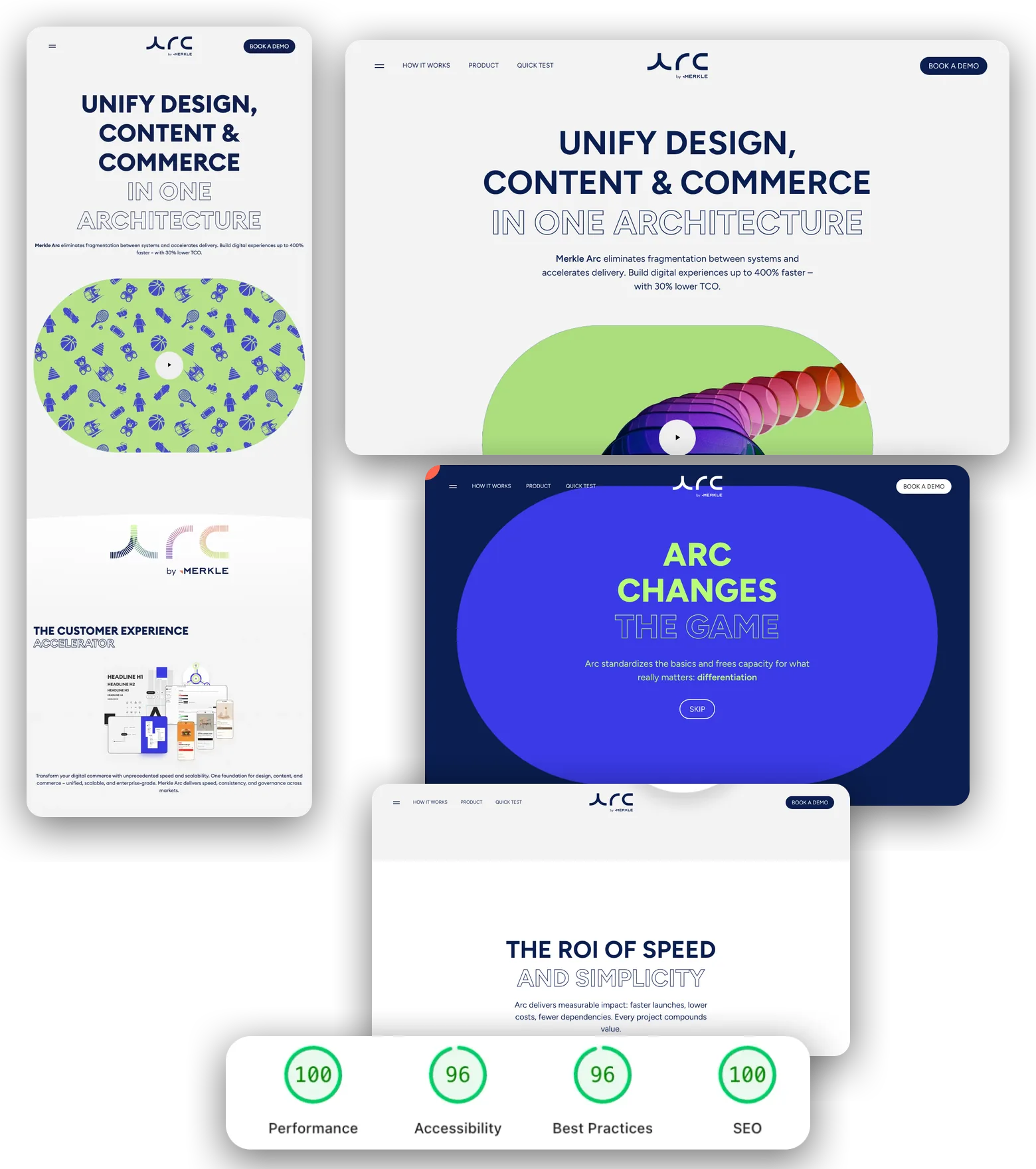
I'm currently an Innovation Designer at Dentsu Creative (Merkle), where I bridge the gap between design and technology. Together with PMs, designers and developers, I work on multi-brand design systems and rapid AI-assisted prototypes for large-scale projects across the energy, FMCG, NGO, mobility, and finance sectors.
What's your professional background?
My journey started at age 11, coding small C# games—but I quickly realized I loved gathering user feedback even more than writing the code. Since then, I've focused on connecting people and tech. My past roles include Product Manager at Deutsche Bahn (rail-bike integration), UX Graduate at Toogethr, and Online Marketing Manager at Performics. I hold a Master’s in Data-Driven Design from Utrecht University, a Bachelor’s in Communications & UX Design, and UXQB® and Accessibility Designer certifications.
What are your core skills?
I work across the entire product spectrum. My design skills cover UX/UI, rapid prototyping, inclusive design, and user research. On the technical side, I develop using Vue, Python, PHP, JavaScript, APIs, and SQL. I'm a strong advocate for FOSS (Free and Open Source Software) and rely on tools like Figma, Penpot, VSCode, and Linux.
What is your mission?
My mission is to build sustainable, inclusive, and human-centered solutions aligned with the UN Sustainable Development Goals (SDGs).
Primary Focus: Sustainable Cities & Mobility (SDG 11) and Climate Action (SDG 13).
I also champion open-source tech (SDG 9), digital accessibility (SDG 8), and responsible consumption (SDG 12). I'm deeply committed to climate mitigation, offsetting over 26 tonnes of CO2e through solar, peatland, and methane avoidance projects via
Ecologi. Ultimately, I want to build regenerative, transparent systems that empower users.
What languages do you speak?
🇩🇪 German (Native / C2), 🇬🇧 English (Fluent / C2), 🇳🇱 Dutch (Intermediate / B2), and 🇪🇸 Spanish (Basic / A2). This multicultural background helps me design for diverse, global audiences.
What drives you outside of work?
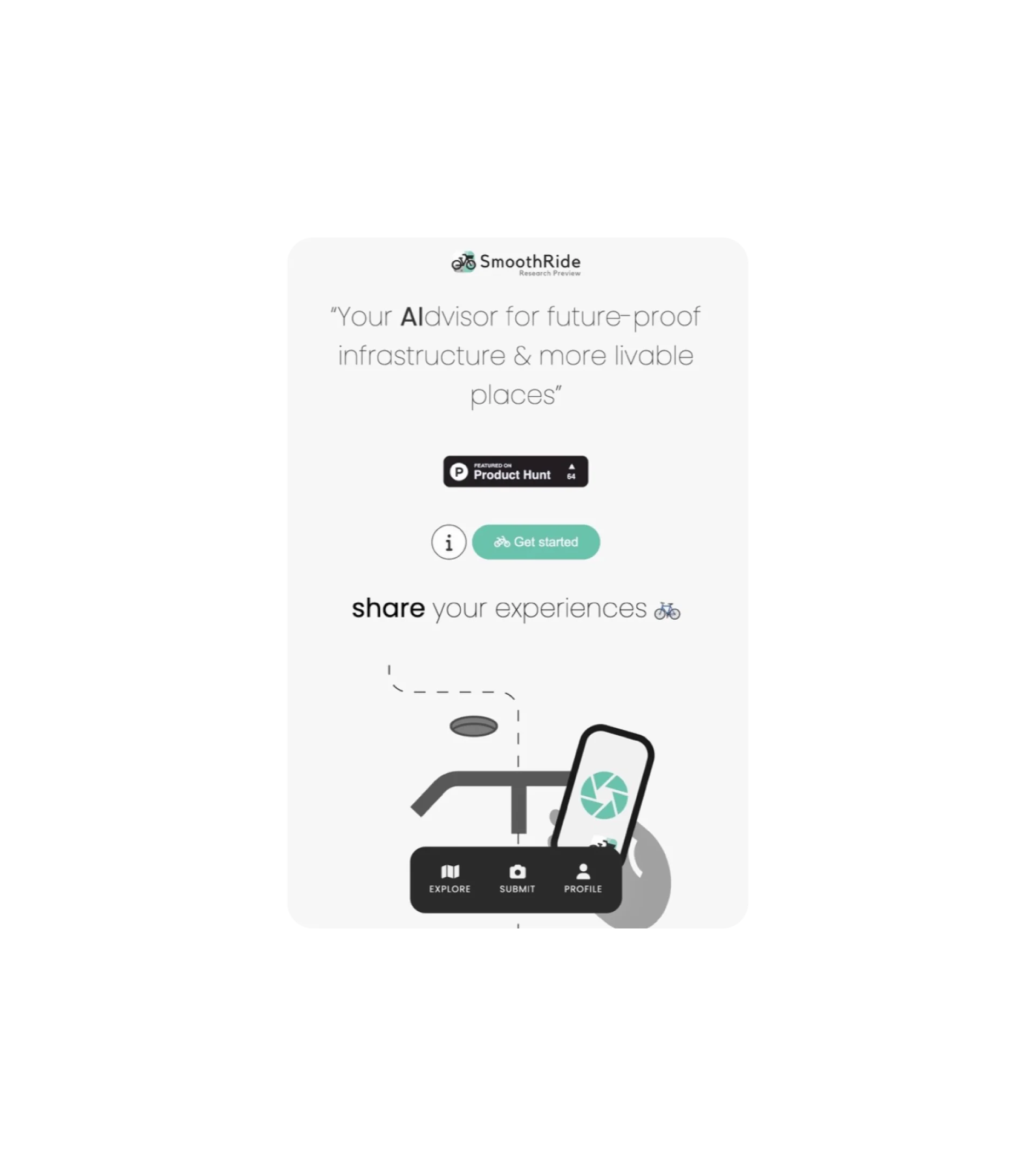
I'm driven by global collaboration, DIY culture, community building, and sustainable living. I'm a massive advocate for cycling and sustainable transport. I also love reading and pet-sitting—which actually led me to create Petset.life for digital nomads!
Are you open to speaking engagements or collaborations?
Absolutely. I actively participate in the tech and design community, from BBC documentaries to sustainability hackathons and industry meetups. I'm always eager to connect with fellow designers, developers, and civic tech enthusiasts. Reach out if you'd like to collaborate or chat!
What's your approach to design?
I balance deep technical knowledge with a research-driven, human-centered process. I like to 'design beyond the screen,' meaning I focus on the real-world impact of digital products—whether that’s improving cycling infrastructure, creating accessible interfaces, or exploring how AI can enhance human capabilities without replacing them.
What projects are you working on right now?
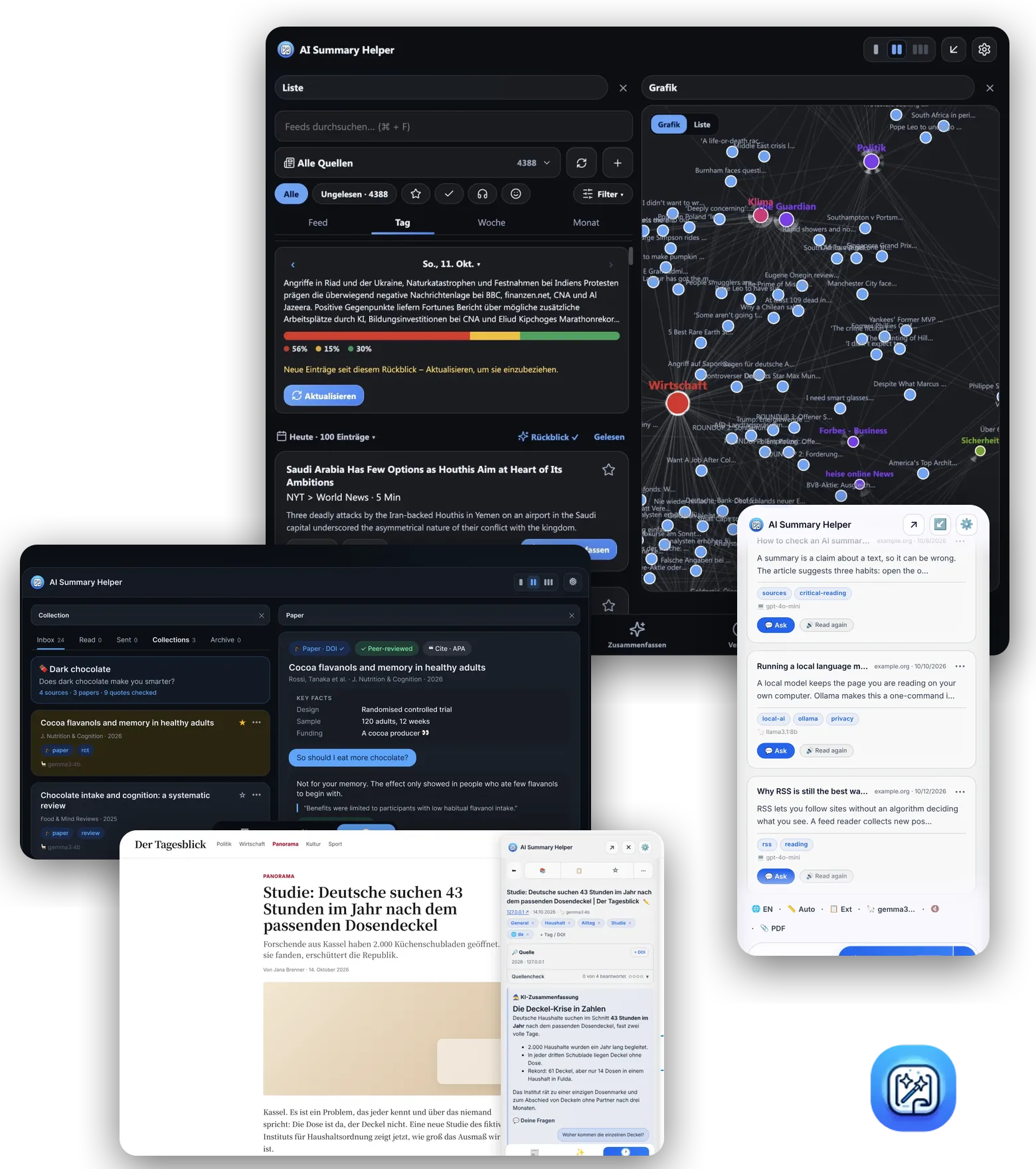
Currently, I'm building Petset.life (a platform-agnostic pet-sitting network) and AI Summary Helper (a Chrome extension for content summarization). I'm also exploring sustainable co-living concepts, contributing to open-source projects, and researching the intersection of AI, mobility, and community building.
Have you built a design system before?
Yes — a 2025 project for a nonprofit research network. I was UI Engineer / Token Architect in a design team (with a software architect and fellow designers) building a design system for three affiliated organizations: 170 components and 350+ variables built on a three-layer token architecture (primitives → semantic → component), so the same button component reskins correctly across three completely different brand palettes without a single hardcoded value.
Do you have finance or fintech UX experience?
Yes — a 2025 website relaunch for a Swiss pension provider, together with a PM and a frontend developer. My part was UX / UI: we rebuilt the information architecture around stage-based flows with progressive disclosure, and I designed a portfolio allocation module that pairs a color-coded donut chart with an interactive breakdown table — built specifically to make a genuinely complex financial distribution readable at a glance instead of overwhelming.
What does "Design Engineer" actually mean in your work?
It means I don't hand off and walk away. On a pension-provider relaunch I worked UX/UI through developer handoff directly with the frontend team. On a multi-brand design system project my role was literally UI Engineering — building the token architecture developers implement against, not just the visual layer. This site is the same practice applied to my own work: I designed and built its SSR architecture, accessibility pass, and interaction system myself.
Have you worked on sustainability or climate-related products?
Three different angles, actually. Toogethr (2021, my graduation internship at the Utrecht commuting start-up) tackled the post-pandemic return to solo car commuting: I developed concepts for their social cycling ecosystem, built out as a smart bicycle bell — nudges like "one of your colleagues is leaving, wanna join?" turned commuting into a habit through social proof, not guilt. Deutsche Bahn (2022–23) had me researching bike-rail intermodality with the product team and pitching contextual parking/incentive features at their internal Rad+ Hackathon. A global energy technology company (2024) is the industrial end of the same thread — a CO2 calculator that lets plant operators compare turbine setups by emissions reduction, hydrogen flow, and cost savings before committing to hardware.
Have you worked on GovTech or public-sector AI?
Yes — a 2025 prototype for a Swiss municipality's public services: a multilingual, LLM-powered front desk that understands everyday questions in German, French, Italian, English, or Ukrainian even when they don't match a government site's exact keyword index, and returns real deep-links and checklists instead of a dead end. We pitched it with a PM leading the project; I built the prototype with v0 and Google Gemini, fed the municipality's actual sitemap and service structure. Worth being precise about the numbers: the projected 40% cut in tier-1 support inquiries is a GovTech benchmark estimate from the pitch, not a measured production result yet.
What's your actual process on a UX project?
An energy-sector website refresh is the clearest example: I work low-fidelity wireframes → mid-fidelity prototypes, occasionally into high-fidelity when a pattern genuinely needs it — shaping user flows and validating interaction patterns before they go to full visual design, not after. That sequencing is deliberate: it's cheaper to be wrong about a flow at wireframe stage than to discover it in a finished mock.
Where does AI actually show up in your work, versus just being a buzzword?
Before it was the current AI wave: at Deutsche Bahn in early 2023 I ran internal advisory sessions on ChatGPT and LLMs for the product team — "KI, Kollege" ("AI, Colleague") — covering ideation workflows, customer insight generation, UX writing support, and prototyping automation, for a product/marketing audience that wasn't yet using these tools day to day. The AI search box on this page is the current version of that same instinct: use the tool where it earns its place, not because it's trending.
Human-Centered Design
Making technology work for humans, not the other way around. I build intuitive, accessible interfaces that solve real user problems without the friction. #Design #UX #InclusiveDesign
Knowledge Sharing & Learning
Democratizing technology through teaching and documentation. I focus on mentoring and making complex technical concepts accessible to all generations. #Education #OpenSource #Mentoring
Sustainable Mobility
Designing efficient, low-emission transport solutions. From rail integration to cycling infrastructure, I focus on how sustainable mobility physically shapes our cities. #Mobility #Cycling #PublicTransport
Data-Informed Design
Using data to make informed, ethical design decisions. I leverage analytics to understand user behavior and improve systems without compromising privacy. #DataScience #EthicalData
Purposeful Product Design
Shipping products that balance user needs, technical feasibility, and business viability. No vanity features—just tools that provide actual value. #ProductDesign #SustainableProducts
Community Building
Prioritizing human ecosystems over standalone apps. I build digital and physical spaces rooted in open collaboration, transparency, and shared value. #Community #Collaboration
Human-Centered AI
Leveraging AI as a tool to enhance human capability, not replace it. I focus on implementing transparent, ethical, and practical machine learning solutions. #AI #EthicalAI
Inclusive Design
Accessibility is the baseline; inclusion is the goal. I design systems that actively remove barriers so everyone can navigate them seamlessly. #InclusiveDesign #Accessibility
Environment & Sustainability
Designing to minimize ecological impact. From reducing digital waste to supporting carbon offset projects, I integrate climate action into the core of my work. #Sustainability #ClimateAction
Coliving & Community Spaces
Building sustainable spaces where people actually connect. I focus on creating shared living environments that reduce our ecological footprint while fostering genuine community. #Coliving #Community #Sustainability
Innovation
Building practical solutions for real problems. True innovation isn't about chasing trends; it's about extending human capabilities through thoughtful technology. #Innovation #FutureTech
Connected Environments (IoT)
Connecting environments without compromising privacy. I design smart, intuitive systems for homes and cities that strictly respect user data. #IoT #SmartCities
Open Source & Transparency
Building in the open. I rely on FOSS principles because transparent knowledge-sharing leads to better software and true digital sovereignty. #OpenSource #FOSS